
Back pain does not always start in the spine. In some cases, digestive slowdown, abdominal pressure, straining, and pelvic tension can create discomfort that seems orthopedic at first, even when the gut is part of the picture. It also helps to know that constipation can contribute to lower back pain indirectly by increasing pressure, altering posture, and making surrounding muscles tighten in response. A Chiropractor in Los Angeles, CA may look at how bowel-related pressure, posture changes, and muscular guarding are influencing the way pain shows up. The real value comes from knowing when the connection is simple and when it points to something that needs a closer medical look.
When The Pain Is Probably More Than Simple Constipation
Not all back pain linked with bowel symptoms is harmless. The key is whether the body is giving you a pressure pattern, a strain pattern, or a warning pattern. Constipation related back pain is often tied to bloating, abdominal fullness, hard stools, straining, and a sense that bowel movements are incomplete. That kind of discomfort may improve after hydration, movement, fiber adjustment, or better bowel regularity. But severe abdominal pain, vomiting, inability to pass gas, marked swelling, or worsening pain can point to obstruction or impaction rather than routine constipation. Those signs matter because they suggest the problem may be more serious than simple digestive slowdown. For readers searching for a Back Pain Chiropractor Los Angeles, CA, that distinction matters because not every back symptom should be managed as a musculoskeletal issue first. Some patients also ask whether a Constipation Relief Supplement may help, but supplements make sense only after you rule out red-flag symptoms and understand the actual cause.
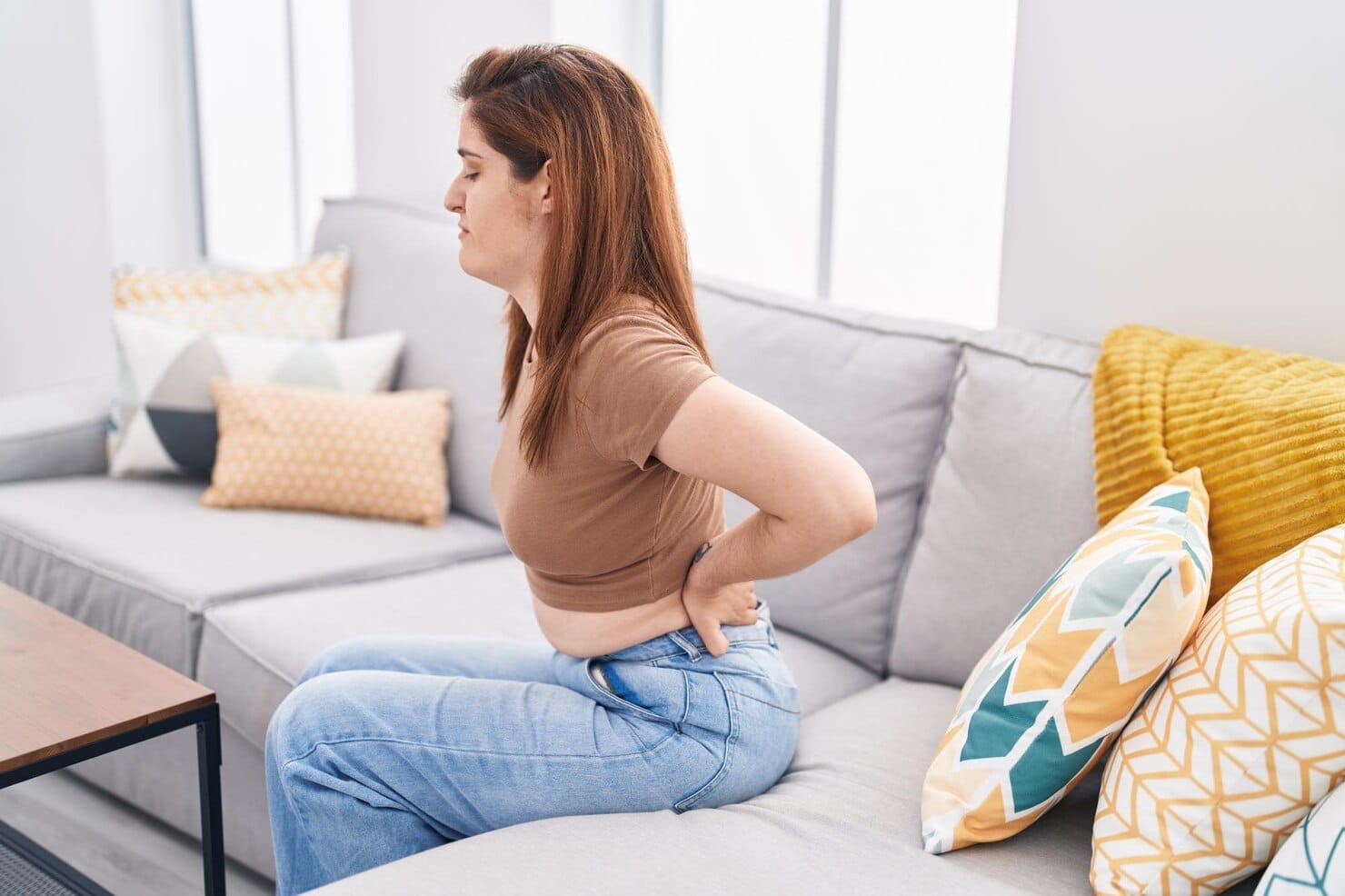
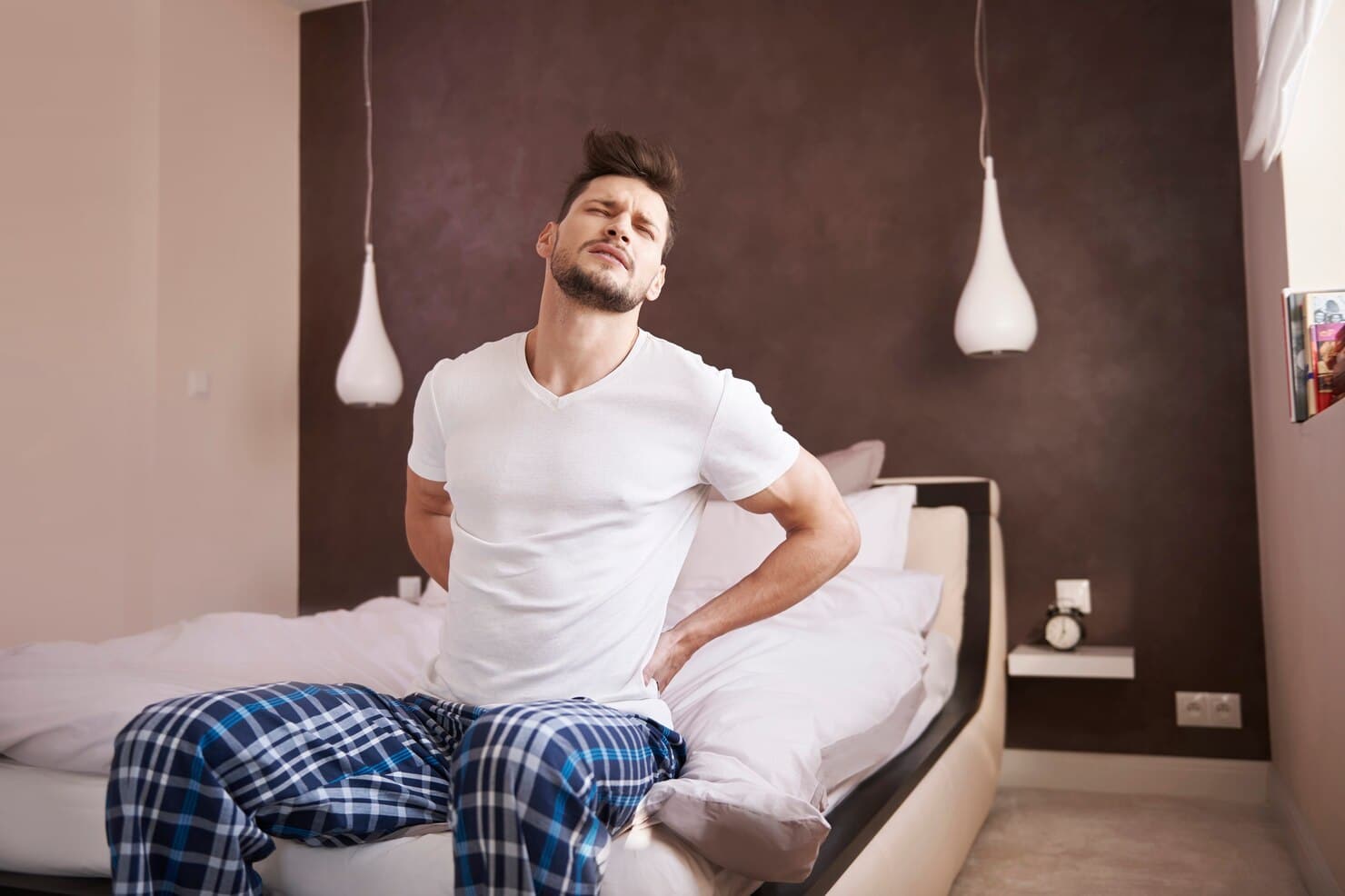
Why Constipation Can Show Up As Back Discomfort
The body does not separate symptoms as neatly as people expect. When the bowel is backed up, nearby tissues, posture, and muscle tone often change before people realize digestion is the trigger.
Constipation can contribute to back discomfort because stool buildup may increase pressure in the abdomen and pelvis, which can create a dull, heavy ache in the lower back. Backed-up stool can sometimes place pressure on nearby nerves and increase tension through the lower abdomen and pelvis, which may influence how pain is felt in the back. A Chiropractor evaluating movement, posture, abdominal guarding, and pain behavior may notice that the pattern does not behave like a straightforward spinal injury even when the discomfort is felt in the back.
How Constipation Changes Posture, Muscles, And Pain Patterns
The gut can influence how you stand and move more than most people realize. Once the abdomen feels tight and loaded, the back often compensates before the bowel issue is even addressed.
When stool builds up, the abdomen may feel distended and the body naturally shifts position to reduce pressure. That can change lumbar mechanics, tighten the pelvic floor, and create protective muscle guarding through the low back and hips. Repeated straining also increases pressure through the trunk, which can aggravate tissue sensitivity if the area is already irritated. This is one reason some people describe a broad aching pressure rather than a sharp structural pain. It is also why symptom timing matters. If back pain tends to worsen when you feel bloated, constipated, or unable to empty fully, the digestive connection becomes more plausible. Cleveland Clinic notes that constipation-related back pain is usually more of a dull pressure than classic nerve pain, which helps clinicians separate it from sciatica or a disc-driven pattern.


What Helps When Constipation Is Part Of The Problem
Relief usually comes from restoring movement in more than one system. The bowel needs support, but so do the muscles and habits that tighten around the problem. Simple steps often help when symptoms are mild: better hydration, more daily walking, fiber intake that matches tolerance, consistent meal timing, and not delaying bowel urges. We emphasize routine lifestyle changes as first-line support for common constipation. When symptoms are recurrent, it also helps to look at medication use, stress, low activity, pelvic floor tension, and diet pattern rather than relying only on a short-term fix. People who are also looking for a Back Pain Chiropractor Near Me may benefit from care that evaluates breathing pattern, pelvic mechanics, movement tolerance, and whether the pain behaves like referred abdominal pressure instead of a primary spine condition. If you want related reading on how body mechanics connect to pain patterns, explore, How A Chiropractor Can Help Your Knee Pain? can help frame that broader view.
When To Stop Self-Managing And Get Evaluated
A temporary slowdown is one thing. Pain that escalates, spreads, or comes with systemic symptoms deserves a faster response. Seek medical evaluation if constipation lasts more than a few weeks, if there is blood in the stool, fever, vomiting, unexplained weight loss, severe abdominal swelling, or pain that becomes intense and persistent. Our team advises contacting a provider for constipation associated with severe pain or lasting more than three weeks and also flag obstruction-style symptoms such as inability to pass gas, vomiting, bloating, and severe abdominal pain as reasons for urgent evaluation. Those signs shift the concern away from routine constipation and toward conditions that should not be managed casually at home.
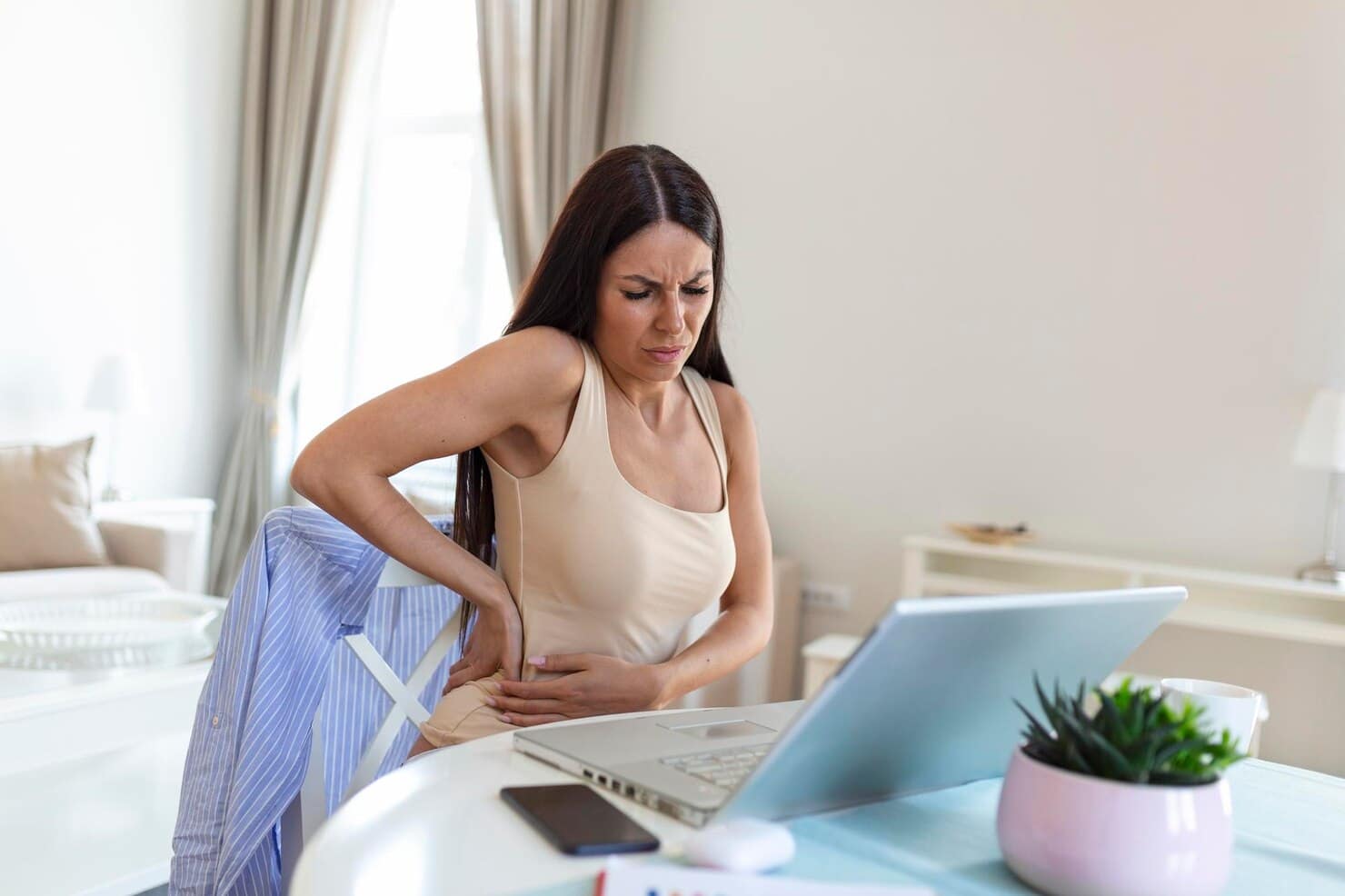
When Back Pain May Be Coming From More Than the Spine
Constipation can cause back pain, but usually through pressure, straining, bloating, and muscular guarding rather than through a primary spinal injury. That is why the smartest next step is to look at the full symptom pattern instead of treating every ache like a disc problem. If your discomfort tends to rise with bowel changes, abdominal fullness, or hard stools, the digestive piece should be evaluated along with movement and posture. If you are looking into Back Pain Treatment Los Angeles, CA, an assessment can help clarify whether the driver is digestive, mechanical, or a mix of both. Westside Wellness Center can help you sort through that pattern and move toward care that fits the real cause.
Book An Evaluation To Find Out Whether Your Back Pain Is Being Driven By Digestive Pressure, Movement Mechanics, Or Both.
Frequently Asked Questions
1. Can constipation really cause lower back pain?
Yes, it can. Constipation may contribute to lower back pain by increasing pressure in the abdomen and pelvis, which can affect posture, tighten surrounding muscles, and create a dull aching sensation in the lower back. The discomfort is often linked more to pressure and muscular guarding than to a direct spinal injury.
2. How do I know if my back pain is related to constipation or something more serious?
Back pain linked to constipation often comes with bloating, abdominal fullness, hard stools, straining, and a feeling of incomplete bowel movements. If the pain is severe, keeps worsening, comes with vomiting, fever, blood in the stool, major swelling, or you cannot pass gas, it may point to something more serious and should be evaluated promptly.
3. What helps when constipation seems to be making back pain worse?
Mild cases often improve with hydration, daily walking, consistent meal timing, fiber intake that matches your tolerance, and avoiding the habit of delaying bowel movements. If symptoms keep returning, it is important to look at contributing factors like stress, low activity, medications, pelvic tension, and overall bowel habits rather than relying only on temporary relief.