
Knee pain rarely comes from one structure acting alone. The joint responds to load from the feet, hips, pelvis, and daily movement patterns. A Chiropractor in Los Angeles, CA may assess alignment, gait, muscle control, swelling, stiffness, and the way symptoms change with stairs, squatting, walking, or long periods of sitting. When the real driver is identified early, care becomes more precise, progress becomes easier to track, and unnecessary frustration becomes much easier to avoid. That clarity often prevents weeks of avoidable guesswork.
What A Chiropractor Is Actually Trying To Find
Knee pain treatment works better when the cause is narrowed down. A vague plan usually produces vague results, especially when pain has been present for weeks or keeps coming back.
For someone seeking a Knee Pain Chiropractor in Los Angeles, CA, the first goal is not to force treatment on the joint. It is to sort out whether the pain behaves like patellofemoral irritation, tendon overload, meniscal irritation, osteoarthritis, referred pain, or a compensation pattern coming from the hip, foot, or lumbar spine. That process can include gait review, joint motion testing, palpation, strength screening, and functional tasks such as stepping, squatting, or balancing on one leg. When symptoms include tingling, burning, or spreading numbness, related reading such as What Medications cause Peripheral Neuropathy? may help patients understand why not every leg symptom starts in the knee. Once the pattern is clear, care can be directed more intelligently.

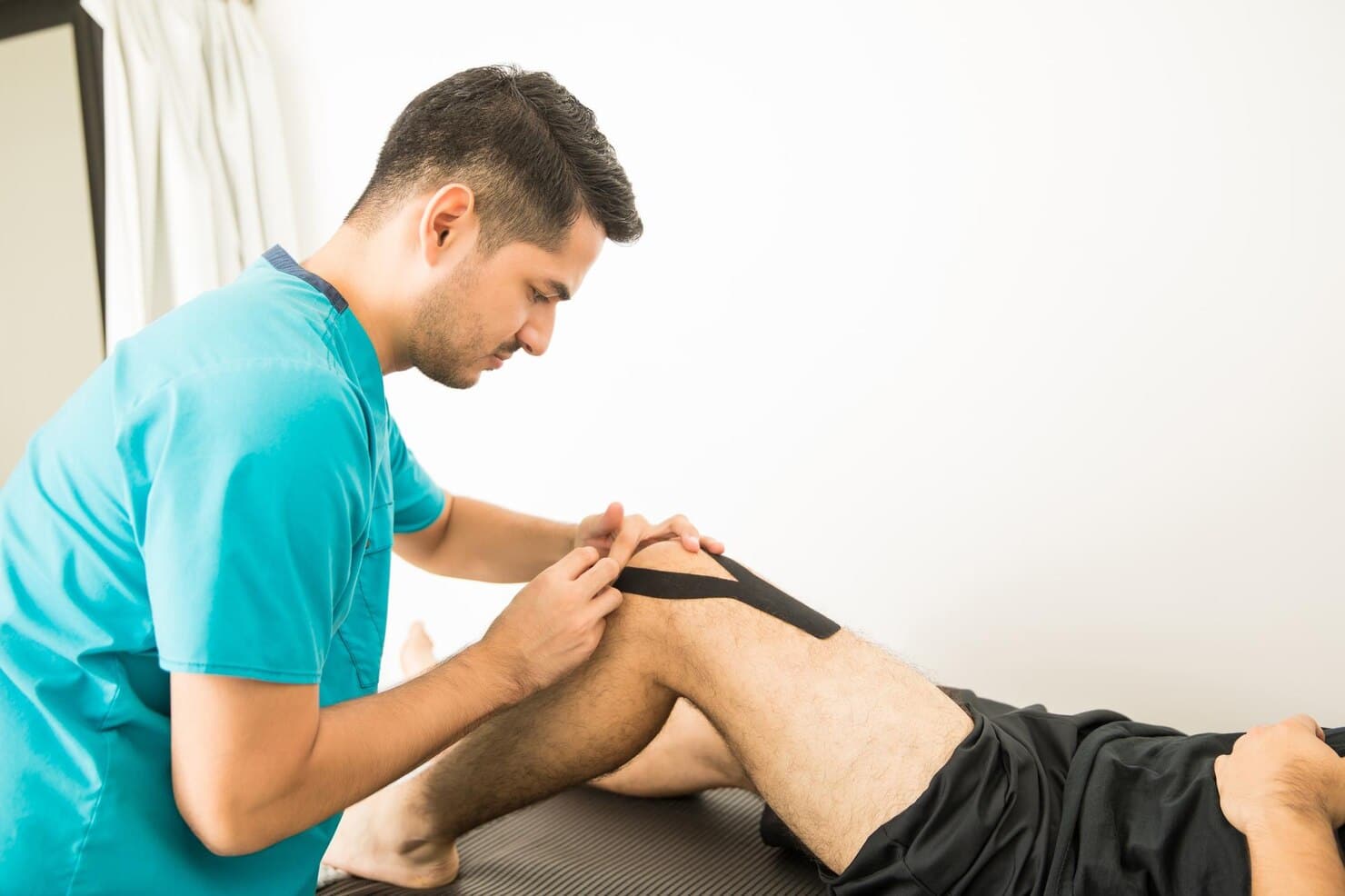
Why Knee Pain Should Be Assessed As A Movement Problem
A Chiropractor assessing knee pain is often looking beyond the joint itself. Knee symptoms can be influenced by ankle mobility, foot mechanics, hip strength, pelvic control, and the way you walk or stand through the day. Research shows that many knee pain patterns are influenced by hip strength and lower-limb mechanics, while osteoarthritis care also points to exercise, weight management, and conservative first-line strategies. That matters because many patients assume the knee is the whole issue when the pattern is distributed across the body. A useful exam looks at where pain appears, what provokes it, whether swelling is present, and how the rest of the chain is contributing to the load the knee is taking during daily activity.
How Chiropractic Care May Help Knee Symptoms
The best results usually come from reducing irritation while improving the mechanics that keep feeding it. Depending on the findings, care may include joint mobilization or adjustment to nearby regions, soft tissue work, activity modification, guided strengthening, mobility work, and advice on walking mechanics or training errors. If the knee is painful because the hip is weak, the ankle is stiff, or the foot is collapsing under load, treating the knee alone will not solve much. For patients considering Knee Pain Treatment in Los Angeles, CA, that is where chiropractic care can be useful. It often connects local pain with the broader movement pattern that is maintaining it. Exercise-based care and conservative treatment are often effective starting points for many common knee complaints, especially when the plan is built around how the joint is being stressed. The most persuasive treatment plans are the ones that match the actual stress pattern rather than chasing pain from one visit to the next.
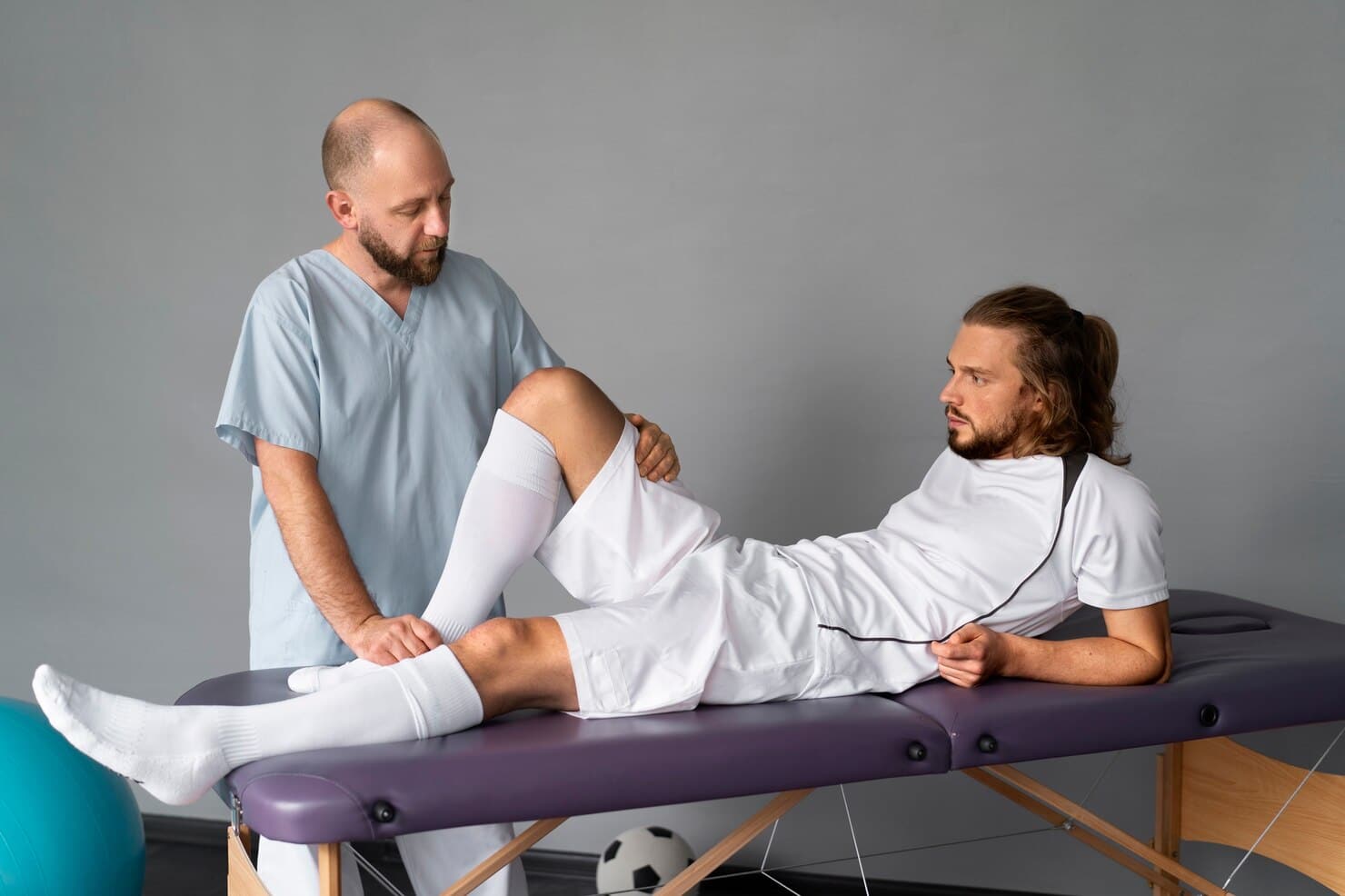
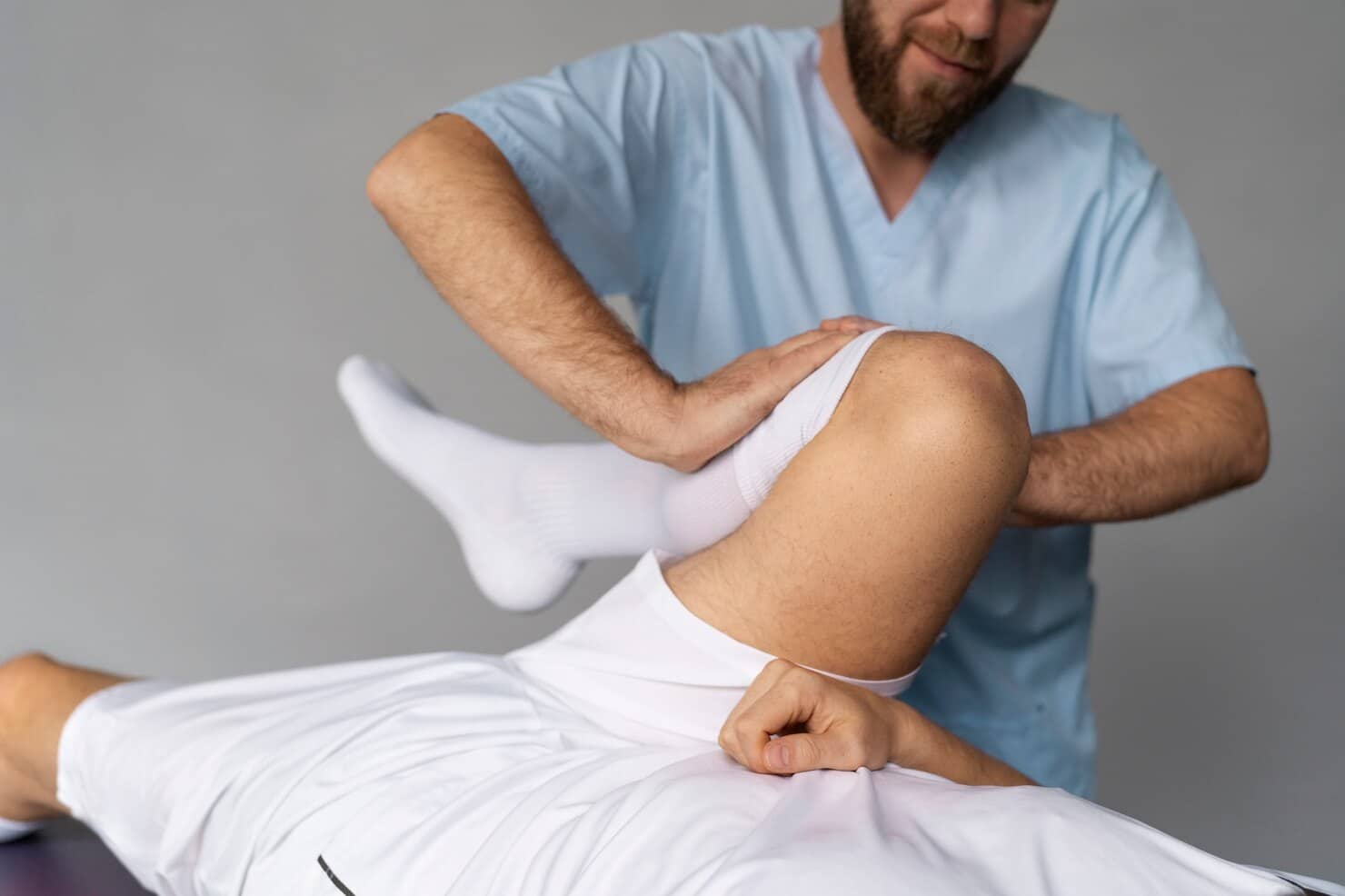
Which Knee Problems May Respond Best To Conservative Care
Not every painful knee needs the same timeline. Some cases improve quickly with load changes, while others need a slower plan built around tissue tolerance and daily function.
Patellofemoral pain, overuse irritation, early degenerative joint pain, mild tracking issues, and mechanics-driven flare-ups respond well to conservative management when the program is specific and consistent. Many people do well when care improves hip strength, controls knee position during daily tasks, and reduces overload from stairs, running volume, deep squatting, or prolonged sitting. Osteoarthritis can also improve when treatment includes exercise and weight management, both of which are strongly supported by major guidelines. Patients comparing options for Knee Pain Chiropractor in Los Angeles, CA should look for a plan that explains what is being addressed, how progress will be measured, and what signs would justify imaging or referral. Good care is not just hands-on care. It is a clear explanation of why the knee is reacting the way it is.
When Knee Pain Needs A Different Level Of Evaluation
A stubborn knee is one thing. A dangerous knee is another, and the difference matters.
Prompt medical evaluation is important when knee pain follows injury, the joint locks or gives way, swelling is rapid, fever is present, weight-bearing becomes difficult, or calf pain and redness raise concern for a clot. Severe night pain, unexplained weight loss, or symptoms that do not fit a mechanical pattern also deserve workup. Even when symptoms are not urgent, persistent pain should not be managed casually for months without reassessment. People exploring Knee Pain Treatment in Los Angeles, CA should expect a provider to recognize when conservative care fits and when imaging, orthopedic input, or a different diagnosis needs to be considered.
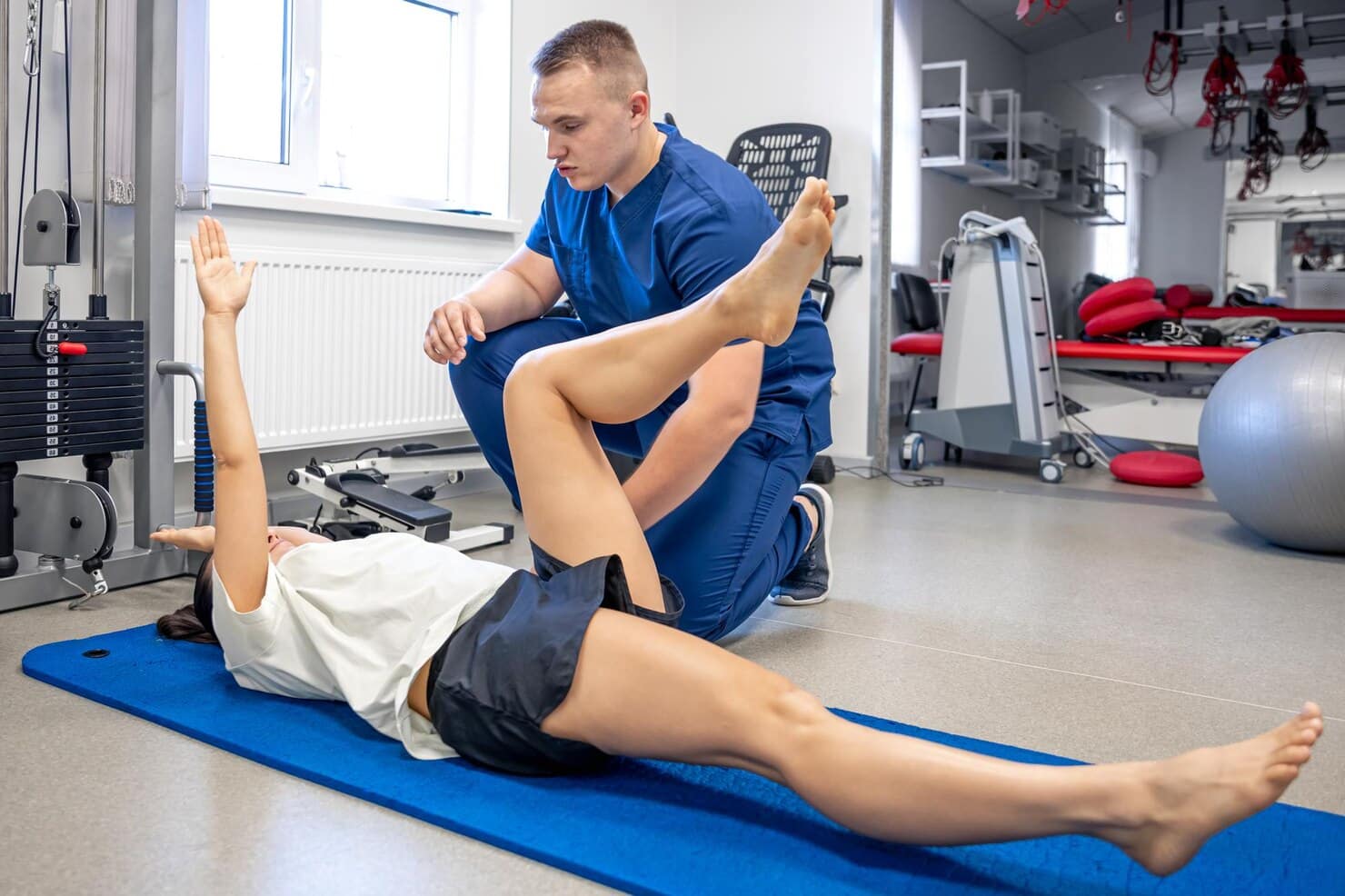
Build The Right Plan For The Real Cause Of Knee Pain
Knee pain improves more predictably when treatment is based on mechanics, load tolerance, and the way the rest of the body influences the joint. That is why chiropractic evaluation can help when pain keeps returning, shifts with activity, or has not improved with generic advice. If you have been searching for a Knee Pain Chiropractor Near Me, the best next step is a review that explains whether your symptoms are being driven by the knee itself, the way you move, or compensation elsewhere. Westside Wellness Center can help you sort through that pattern and build a clear care plan.
Book An Evaluation To Find Out Whether Your Knee Pain Is Coming From The Joint Itself, The Way You Move, Or Compensation Elsewhere.
Frequently Asked Questions
1. Can a chiropractor really help with knee pain?
Yes, chiropractic care may help when knee pain is linked to movement mechanics, joint stress, muscle imbalance, or compensation from the hips, feet, or lower back. The goal is to identify what is overloading the knee and build care around that pattern rather than focusing on pain alone.
2. What types of knee pain respond best to conservative chiropractic care?
Knee pain related to overuse, patellofemoral irritation, mild tracking problems, early joint wear, and movement-related flare-ups often responds well to conservative care. Results are usually better when treatment includes both hands-on support and a plan to improve strength, mobility, and daily mechanics.
3. When should knee pain be evaluated right away?
You should seek prompt evaluation if knee pain follows an injury, swelling comes on quickly, the joint locks or gives way, you cannot bear weight well, or the pain is paired with fever, redness, or calf symptoms. Those signs may point to a problem that needs more than routine conservative care.